How Long To Wait To Change Earrings After Cartilage Piercing: The Ultimate Guide
Ear piercings, especially trendy cartilage piercings, require patience and diligent care, particularly during the healing process. One frequently asked question is, how long to wait to change earrings after cartilage piercing? If you're contemplating the same, then you've come to the right place.
Minimum Time to Wait Before Changing Earrings
The minimum time you should wait before changing earrings after a cartilage piercing is 6 months. This period allows the piercing enough time to stabilize and begin healing internally. While the outer part of the piercing may appear healed within a few weeks, the tissue inside the cartilage takes much longer to recover due to limited blood flow. Unlike earlobe piercings, which usually heal within 6 to 8 weeks, cartilage piercings go through a much slower healing process. Removing or replacing jewelry too early can interrupt healing, cause irritation, or even lead to infection. That’s why professionals recommend not changing your earring until at least six months have passed, and only if there are no signs of discomfort, swelling, or discharge.
Healing speed varies depending on factors such as your immune system, aftercare routine, and the type of cartilage piercing you have. Some people may heal slightly faster, while others may need up to 12 months before it's safe to switch earrings. During this time, it’s essential to keep the original jewelry in place, as removing it prematurely may cause the hole to shrink or close. Following proper aftercare, avoiding trauma to the area, and monitoring for signs of irritation will help ensure your piercing heals correctly. You can use the timeline below as a general reference, but always listen to your body before deciding to change earrings.
0 to 4 weeks: Initial healing begins; expect swelling, redness, and tenderness
4 to 8 weeks: Outer skin may start to look better, but internal healing is still ongoing
8 to 12 weeks: Minor discharge may continue; avoid removing the jewelry
3 to 6 months: Healing continues slowly; only minor irritation may remain
6 to 12 months: Full healing typically occurs; safe to change earrings if there are no symptoms
Cartilage Piercing Types and When to Safely Change Earrings
Different cartilage piercings heal at different speeds, and knowing the right timeline for each type is essential before changing your earrings. The table below provides a clear overview of common cartilage ear piercings, their estimated healing times, and the minimum safe period you should wait before switching to new jewelry. Following these guidelines can help prevent infections, irritation, and other complications.
Why You Shouldn’t Change Cartilage Earrings Too Soon
Changing your earrings too early can cause more harm than you think. Here are the most common risks:
1. Infection
Unhealed piercings are open wounds. Removing jewelry can allow bacteria to enter, especially if your hands or new earrings aren’t sterile.
2. Irritation or Rejection
New earrings, especially if they’re made of poor-quality materials, can irritate the piercing and delay healing. In some cases, your body may even reject the jewelry.
3. Keloids or Bumps
Cartilage is prone to forming bumps or thick scar tissue (keloids) if it’s disturbed during healing.
4. Piercing Closure
If the piercing isn’t fully healed, it can start closing within hours of removing the earring, especially with cartilage piercings.
Buy Cartilage Earrings at 20% OFF!
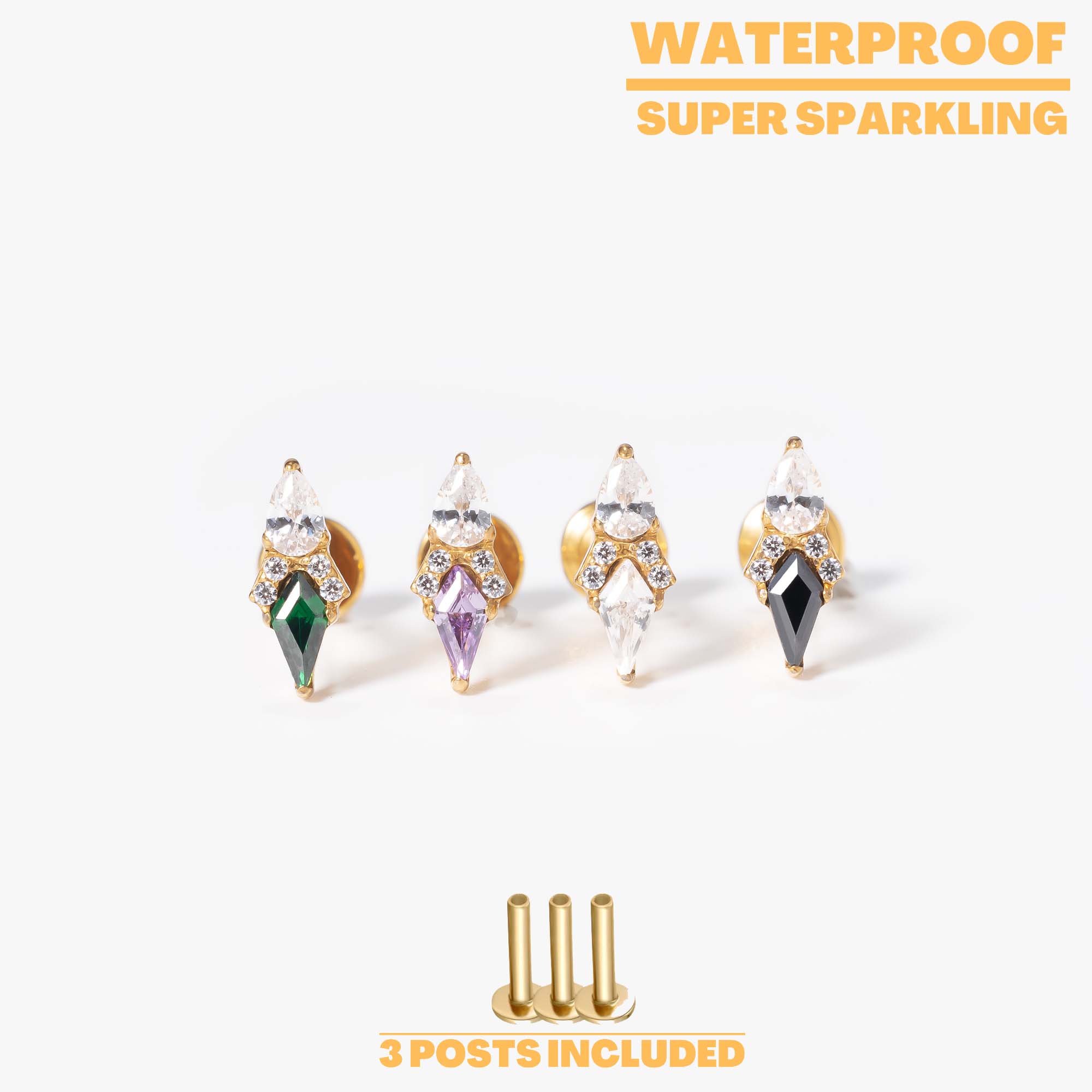
Erica Jewels is offering high-quality cartilage earrings made from titanium, gold-plated and surgical steel materials. They're perfect for sensitive ears and won’t cause allergies, stylish and safe for everyday wear!
 Skip to content